Gas Station & EV Charging Station Lighting Guide
Comprehensive guide for professional lighting design according to EN 12464-2
1. Introduction & Application Framework
Lighting in gas stations and electric vehicle charging points is a critical factor for safe operation, user visual comfort, and effective surveillance (CCTV). This guide is based on the EN 12464-2 standard for lighting of outdoor work places.
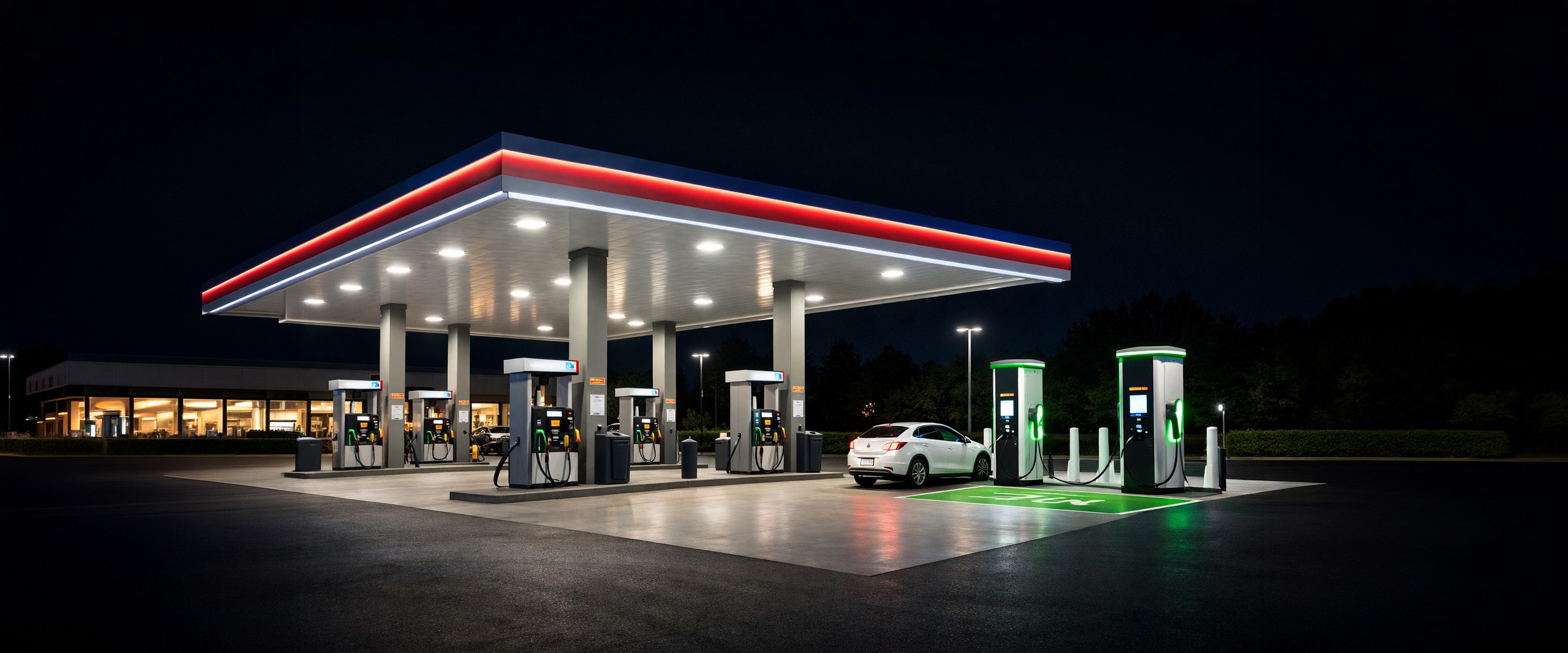
- Adequate lighting levels for safe movement and work
- Glare and light pollution control
- Reliability for continuous 24/7 operation
- CCTV system support
- Energy efficiency
Floor plan of a typical gas station with lighting zones and fixture positions. Levels refer to maintained illuminance (Emaintained).
2. Lighting Parameters & Design Principles
2.1 Horizontal and Vertical Illuminance
Horizontal Illuminance (Eh): Measures light on the horizontal plane (floor). Critical for safe vehicle and pedestrian movement.
Vertical Illuminance (Ev): Measures light on vertical surfaces (faces, pump displays, controls). Critical for detail recognition and effective CCTV operation.
2.2 Lighting Uniformity
Uniformity (Uo = Emin/Ē) indicates how evenly light is distributed. Low uniformity creates dark zones that increase accident risk and hinder surveillance.
- Use multiple fixtures with appropriate photometric distributions
- Minimize illuminance variations (<3:1) in circulation zones
- Design placement to reduce shadows from vehicles
2.3 Glare & Visual Comfort
Uncontrolled glare reduces safety, increases visual fatigue, and negatively affects user experience.
| Control Method | Description | Result |
|---|---|---|
| Optical Distributions | Selection of appropriate lenses and reflectors (asymmetric, cut-off) | Controlled light direction |
| Mounting Height | Optimal fixture distance from work plane | Reduced direct glare |
| Luminance Control | Limiting cd/m² in critical viewing directions | Improved visual comfort |
| Recessed Mounting | Flush mounting in the canopy | Elimination of direct source view |
3. Lighting Specifications by Zone
Lighting levels are based on EN 12464-2 and international practice. They refer to maintained illuminance after aging and soiling.
| Zone / Area | Emaintained (lux) | Uniformity Uo | Notes |
|---|---|---|---|
| Circulation zone & general area | 30–50 lux | ≥ 0.40 | Minimum level |
| Floor under canopy | 100–250 lux | ≥ 0.60 | Horizontal Eh |
| Pump/charger operation point | ≥150 lux | ≥ 0.50 | Vertical Ev |
| Meters / special tasks | 150–300 lux | ≥ 0.70 | High precision |
| Payment area / building | 200–300 lux | ≥ 0.60 | Retail standard |
| Car wash | 150–200 lux | ≥ 0.50 | IP67+ required |
3.1 Color Temperature (CCT)
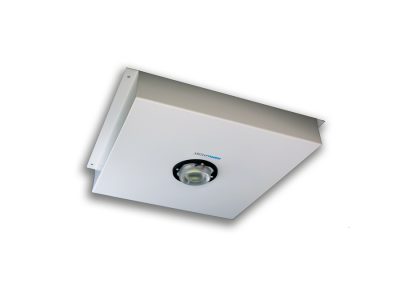
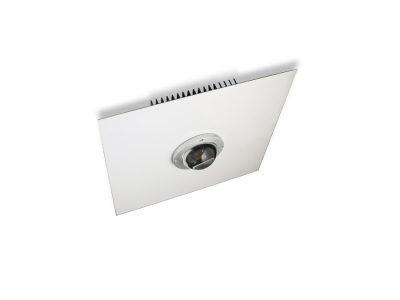
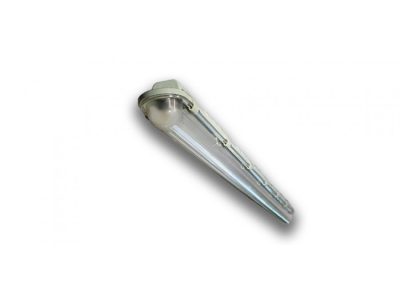
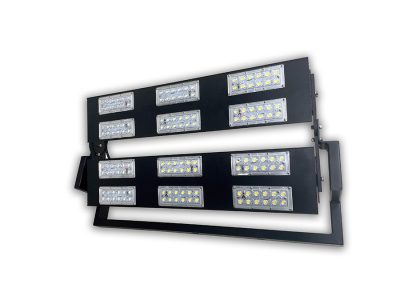
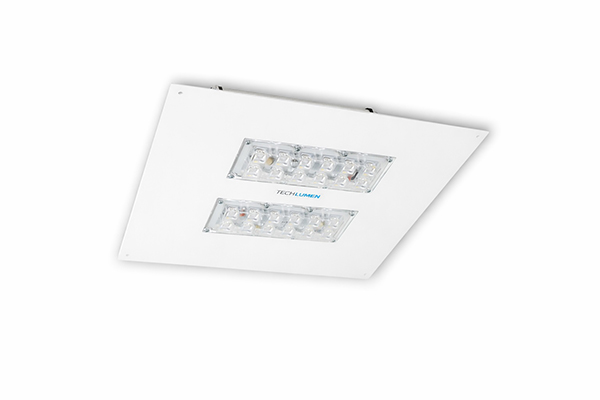
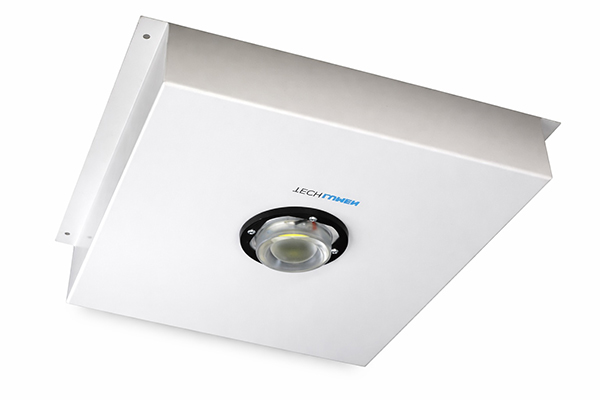
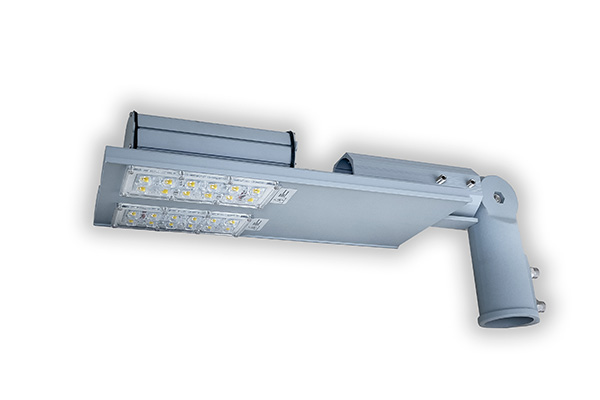
3.2 Recommended Luminaire Types
4. Lighting in Hazardous Areas (ATEX)
ATEX zone classification defines areas where explosive atmospheres may form. Classification is performed according to ATEX Directive 2014/34/EU and EN 60079-10-1, and determines equipment certification requirements. Understanding the vertical extent of zones is critical for canopy lighting design.
4.1 Zone Classification at Fuel Dispensers
| Zone | Description | Locations at Dispensers | Dimensions |
|---|---|---|---|
| Zone 1 | Explosive atmosphere likely during normal operation |
|
Sphere r=20-30cm around nozzle |
| Zone 2 | Explosive atmosphere unlikely or only for short time |
|
Petrol vapors are heavier than air but zone extends to 2.5m for safety margin |
The canopy ceiling (typically at 4-5m height) is well above the Zone 2 boundary (which terminates at approximately 2.5m height). Therefore:
- Standard (non-ATEX) luminaires can be used for canopy ceiling lighting
- Recessed or surface-mounted LED fixtures are suitable
- No Ex certification required for ceiling-mounted luminaires (above 2.5m)
4.2 Other ATEX Zones at Gas Stations
| Zone | Location | Dimensions | Luminaire Requirements |
|---|---|---|---|
| Zone 0/1 | Inside tanks, vent pipe interiors, manhole chambers | Interior volumes | Ex ia / Ex d (rarely relevant for lighting) |
| Zone 1 | Tank vent pipe outlets (on canopy roof) | Sphere r ≈ 1m around outlet | Ex d / Ex e ATEX certified |
| Zone 2 | Around tank vent outlets, fill points, LPG storage | Sphere r ≈ 2-3m around outlet | Ex nA / Ex ec or IP66+ with restrictions |
If tank vent pipes terminate on the canopy roof, ATEX zones exist at those specific points:
- Zone 1: Sphere ~1m radius around vent outlet
- Zone 2: Sphere ~2-3m radius around vent outlet
Luminaires must be positioned outside these zones or be ATEX certified if within.
Cross-section showing ATEX zones at fuel dispenser. Zone 2 extends horizontally 6m and up to 2.5m height. Canopy ceiling (4-5m) is a Safe Area where standard luminaires can be used.
- Ceiling-mounted luminaires (above 2.5m): Standard (non-ATEX) LED fixtures are acceptable - ceiling is above Zone 2 height limit
- Low-level lighting (<2.5m): If any luminaires are installed below 2.5m within 6m of dispensers, ATEX certification may be required
- Vent pipe areas: If vents terminate on canopy roof, position luminaires outside the Zone 1/2 spheres or use ATEX fixtures
- Zone classification: Must be performed by a qualified hazardous area engineer for each specific installation
5. System Reliability – 24/7 Operation
Gas station lighting operates continuously, imposing high reliability requirements. Selecting appropriate equipment reduces maintenance costs and the risk of operational disruption.
5.1 Basic Equipment Specifications
| Characteristic | Minimum | Recommended | Note |
|---|---|---|---|
| IP Rating | IP65 | IP66 / IP67 | Protection from dust & water |
| IK Rating | IK08 | IK10 | Mechanical impact resistance |
| Surge Protection | 10kV | 20kV | Overvoltage protection |
| Operating Temperature | -20°C to +40°C | -40°C to +50°C | For extreme conditions |
| Lumen Maintenance (L80) | 50,000h | 70,000h+ | Hours at 80% of initial l.o. |
| Driver Efficiency | ≥90% | ≥93% | Power supply efficiency |
| THD | <20% | <10% | Total harmonic distortion |
| Power Factor | ≥0.90 | ≥0.95 | Power factor |
5.2 LED Driver Characteristics
- Temperature tolerance: Operation at high temperatures (Tc rating)
- CLO (Constant Lumen Output): Stable luminous flux throughout lifetime
- MTBF: >100,000 hours mean time between failures
- Dimming capability: DALI / 1-10V for control and savings
6. Connectivity, Control & Maintenance
Modern control systems improve energy efficiency and enable predictive maintenance.
6.1 Control Technologies
| Technology | Advantages | Suitable for |
|---|---|---|
| DALI / DALI-2 | Individual control, dimming, monitoring, diagnostics | New installations with many fixtures |
| 1-10V | Simple dimming, low cost | Simple installations, upgrades |
| PLC | Use of existing wiring | Upgrades of existing installations |
| Wireless (Zigbee/LoRa) | Flexibility, no control wiring | Difficult locations, outdoor areas |
| IoT / Cloud | Remote monitoring, analytics, predictive maintenance | Station chains, remote management |
6.2 Energy Saving Strategies
6.3 Maintenance Schedule
- Every 6 months: Optical element cleaning (in harsh environments)
- Every 12 months: Optical cleaning, visual wiring inspection
- Every 12-24 months: Lighting level measurement with luxmeter
- Every 3-5 years: Comprehensive lighting assessment
7. Frequently Asked Questions (FAQ)
The EN 12464-2 standard recommends 100-250 lux horizontal illuminance (Eh) under the canopy. For pump/charger operation points, an additional ≥150 lux vertical illuminance (Ev) is required for reading displays and safe operation.
Generally NO for ceiling-mounted luminaires. Here's why:
- Zone 2 around dispensers extends horizontally 6m but only up to 2.5m height from ground
- Petrol vapors are heavier than air and stay low - they don't rise to the ceiling
- Canopy ceilings (4-5m height) are well above the zone boundary = Safe Area
ATEX luminaires ARE required for:
- Any lighting installed below 2.5m height within 6m of dispensers
- Near tank vent outlets on canopy roof (Zone 1: ~1m sphere, Zone 2: ~2-3m sphere)
- LPG dispenser areas
Zone classification must always be performed by a qualified hazardous area engineer for each specific installation.
LED luminaire lifetime is expressed with the Lx index (e.g., L80, L70), which indicates when luminous flux drops to x% of the initial value. For example, L80 @ 50,000h means that after 50,000 hours the luminaire will still provide 80% of its initial brightness.
Important clarification:
- LM-80 is the measurement method for LED chip lumen depreciation (not a lifetime indicator)
- TM-21 is the projection method for estimating lifetime based on LM-80 data
- Actual luminaire lifetime also depends on the driver, thermal management, and operating conditions
With average nighttime operation of ~12 hours/day, 50,000 hours corresponds to ~11 years. The driver often fails before the LED chips.
Proper lighting is critical for CCTV performance. Requirements include:
- Adequate vertical illuminance (Ev) for face recognition
- High uniformity without dark zones
- Glare avoidance towards cameras
- Stable color temperature for correct color rendering
Replacing traditional luminaires (metal halide or fluorescent) with LED typically saves 50-70% of energy. With the addition of a control system (dimming, sensors), total savings can reach 70-80%. Investment payback is usually 2-4 years.
IP66: Complete protection from dust (6) and powerful water jets (6). Ideal for outdoor installations and car washes.
IK10: The highest grade of mechanical impact resistance (corresponds to 20 Joules). Essential in areas with vandalism risk or collision hazard.
Yes, highly recommended. A lighting study with simulation software (DIALux, Relux) ensures:
- Correct lighting levels in each zone
- Uniformity without dark spots
- Glare and light pollution control
- Energy consumption optimization
- Standards compliance documentation
Light pollution is reduced with:
- Asymmetric optics: Directed light without upward dispersion
- Cut-off luminaires: Limiting light above the horizon
- Proper aiming: Lighting only required surfaces
- Nighttime dimming: Reduced intensity when not required
8. Related Standards & Guidelines
| Standard/Directive | Title | Application |
|---|---|---|
| EN 12464-2 | Light and lighting - Lighting of work places - Part 2: Outdoor work places | Primary standard for outdoor workplaces |
| EN 13201 | Road lighting | Road and circulation zone lighting |
| ATEX 2014/34/EU | Equipment for potentially explosive atmospheres | Equipment certification in explosive atmospheres |
| IEC 60079 | Explosive atmospheres | International standard for Ex equipment |
| EN 60598 | Luminaires - Safety requirements | Luminaire safety requirements |
| EN 62471 | Photobiological safety of lamps | Photobiological safety (blue light hazard) |
| CIE 115 | Lighting of Roads for Motor and Pedestrian Traffic | CIE guidelines for road lighting |
| IES RP-33 | Lighting for Exterior Environments | American outdoor lighting guidelines |
9. Conclusions & Checklist
Proper gas station lighting design requires a combination of technical knowledge, appropriate equipment, and professional study.
- Define zones and required lighting levels (Eh, Ev)
- Classify hazardous zones (ATEX) by specialized engineer
- Select luminaires with appropriate specifications (IP, IK, surge, lifetime)
- Lighting study with simulation software
- Check uniformity and glare
- Design control system (dimming, sensors)
- Maintenance and monitoring program
- On-site verification measurements after installation